
Historical Henrys...Ranked
A personal (but correct) ranking of England's historical Henrys

This may be the most controversial piece I’ll ever post. (Aside from musings on what I think *may* have happened to the poor Princes in the Tower, of course. Stay tuned for that.)
But it feels like a necessary one. Mostly because I’ve spent so much time ranking premodern rulers in my head, and I think I’ve finally settled on my rankings — for the Henrys, at least. (I will say the Henrys in spots 4, 5, and 6 shift around a bit, and I’m certainly open to alternative rankings for these three Henrys in particular. Please share your own rankings in the comments!)
Now, without further delay, I give you:
Historical Henrys…Ranked
Henry VIII (1491-1547)
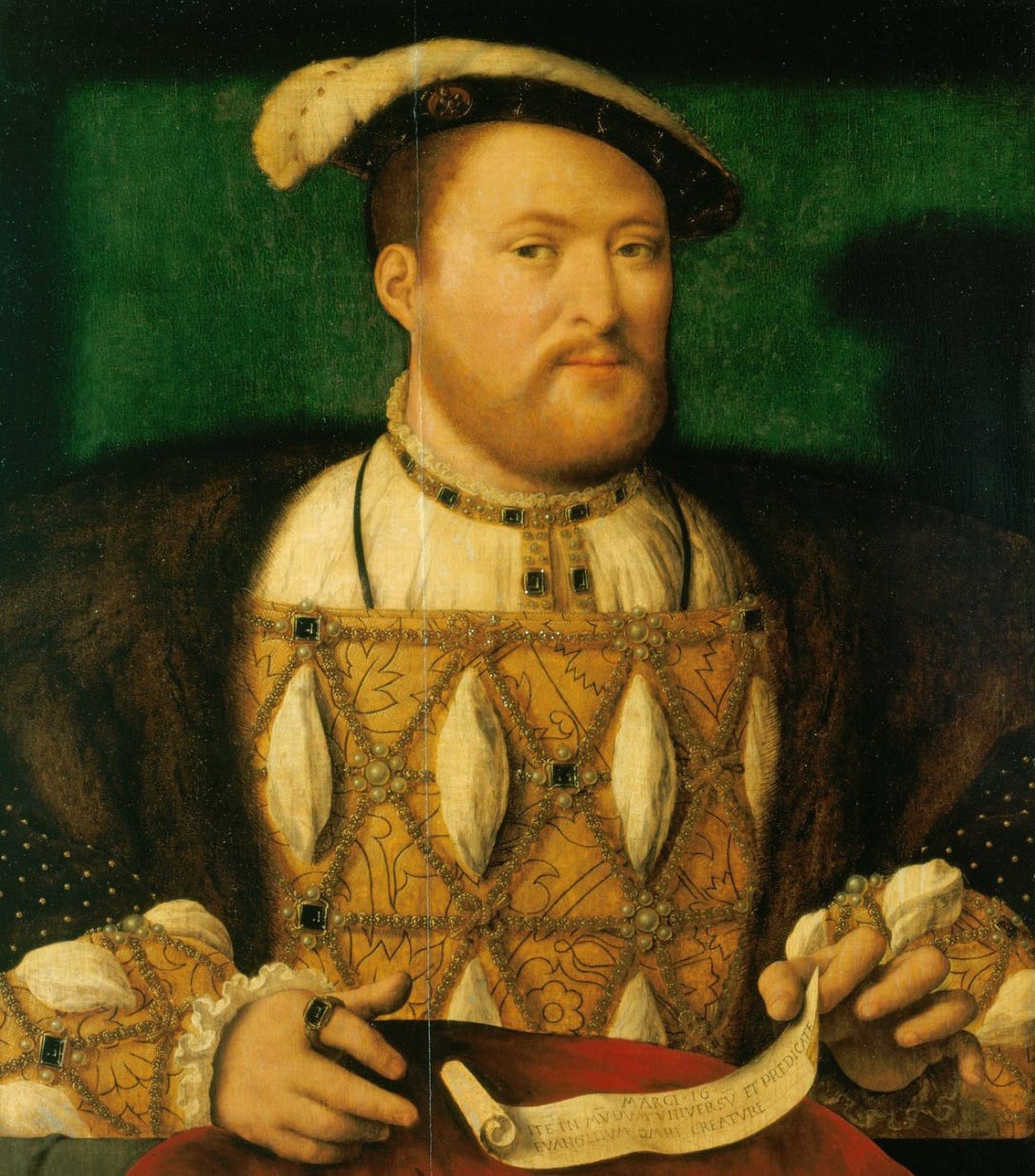
I’m not going to lie, I love ranking Henry VIII last on my list. For someone so sure of his own magnificence and authority-on-all-things, Henry’s lasting legacy is one of paranoia and abuse of power. He has been labelled a bully at best and a tyrant (and even murderer) at worst. He is certainly one of the most famous — and infamous — English rulers.
But instead of being admired for his political successes, Henry is primarily remembered for his abhorrent treatment of his wives, his all-consuming quest for a male heir, and his orchestration of the executions of those he was closest to. Any of these reasons alone could land a Henry in a bottom spot on this list: one man checking all three of those boxes certainly earns him dead last.
That being said, Henry was a good king early on — and he even had the potential to be great — but his actions later in his reign completely overshadow any earlier successes, earning him spot #8.
Henry VI (1421-1471)
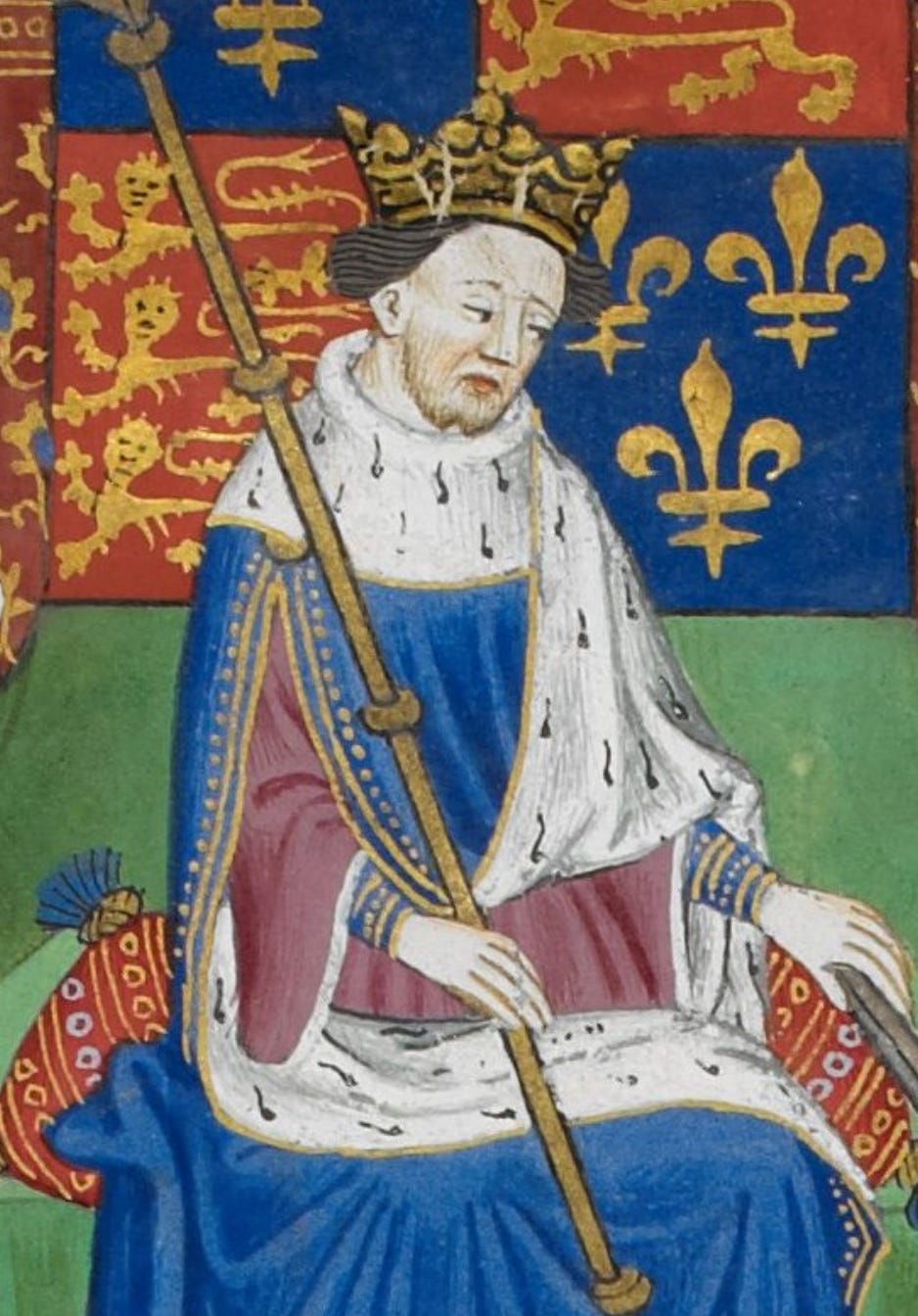
It was a race to the bottom between Henry VIII and Henry VI. With Henry VIII, you have a king who did far too much. With Henry VI, you have a king who didn’t do nearly enough.
There were a few factors that really limited Henry VI and his ability to be an effective ruler. Firstly, coming to the throne as a child king has historically not had the best outcomes, especially when the child king is only eight months old. That being said, Henry VI did have many qualified family members and allies rally to his cause, managing to keep the realm afloat until the young king came of age. But by that point, it seems Henry VI had grown accustomed to having decisions made for him, and he never quite grew into the capable ruler he should have been.
Henry VI’s failures as a king eventually led to civil war, ripping his kingdom apart and losing him his crown — twice.
Henry I (1068-1135)
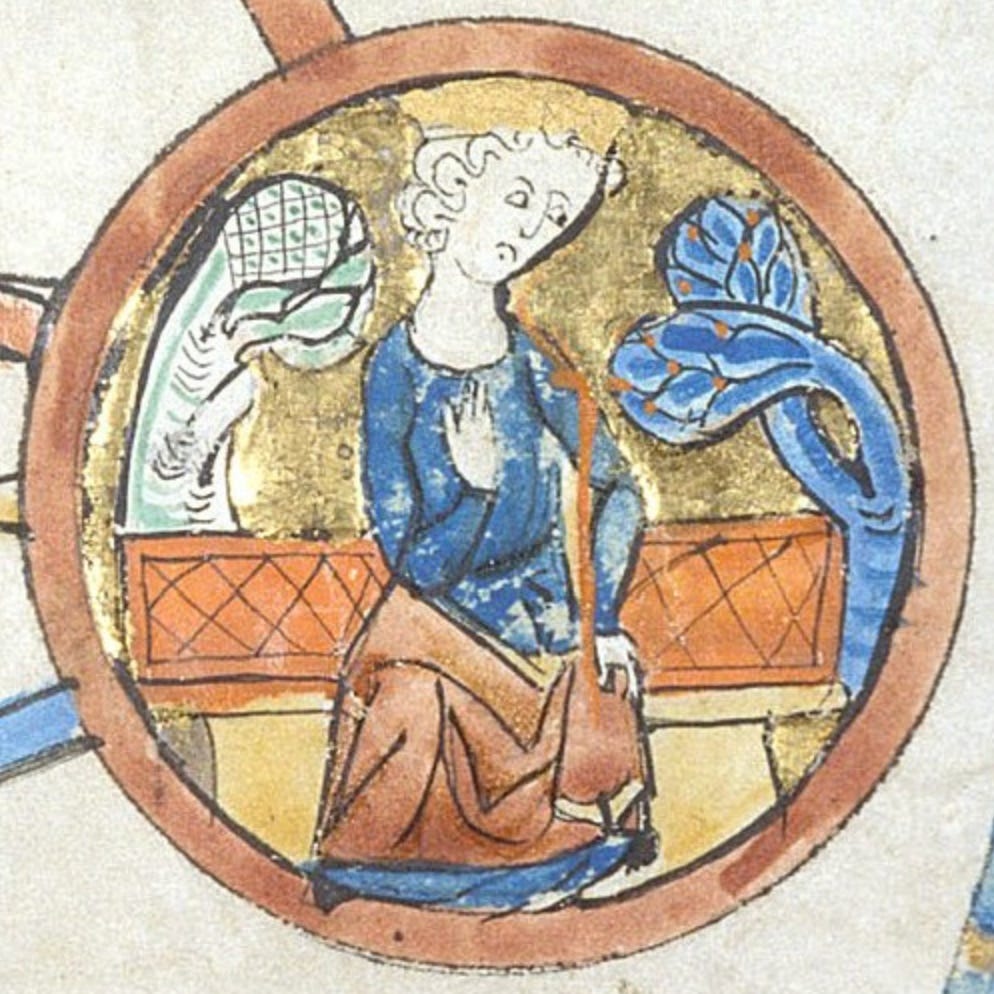
Henry I. Bad brother. Decent ruler. Not the best dad.
As the fourth son of William the Conqueror, Henry I never really should have been king. When his brother William died during a hunting accident, Henry I leapt at the opportunity to take the throne, defeating his brother Robert in battle (and imprisoning said Robert for the remainder of his life) and taking the crown for himself.
But Henry I is perhaps most famous for what he didn’t do. Although he is thought to have had AT LEAST 24 illegitimate children, Henry failed to leave behind a male heir to secure the throne. When his only legitimate son William died in the White Ship disaster in 1120, Henry tried to rally his nobles behind his only surviving legitimate child, Matilda, who was the Holy Roman Empress at the time.
When Matilda was widowed, her father orchestrated her marriage to Geoffrey of Anjou, hoping a political alliance with the Angevins would help to secure Matilda’s position as his successor. It didn’t, and when Henry I died, his realm was thrown into the civil war known today as The Anarchy.
Matilda would spent nearly the rest of her life trying desperately to assume the throne that she believed was rightfully hers. Eventually she would be successful through the person of her son, another Henry on this list.
Henry III (1207-1272)
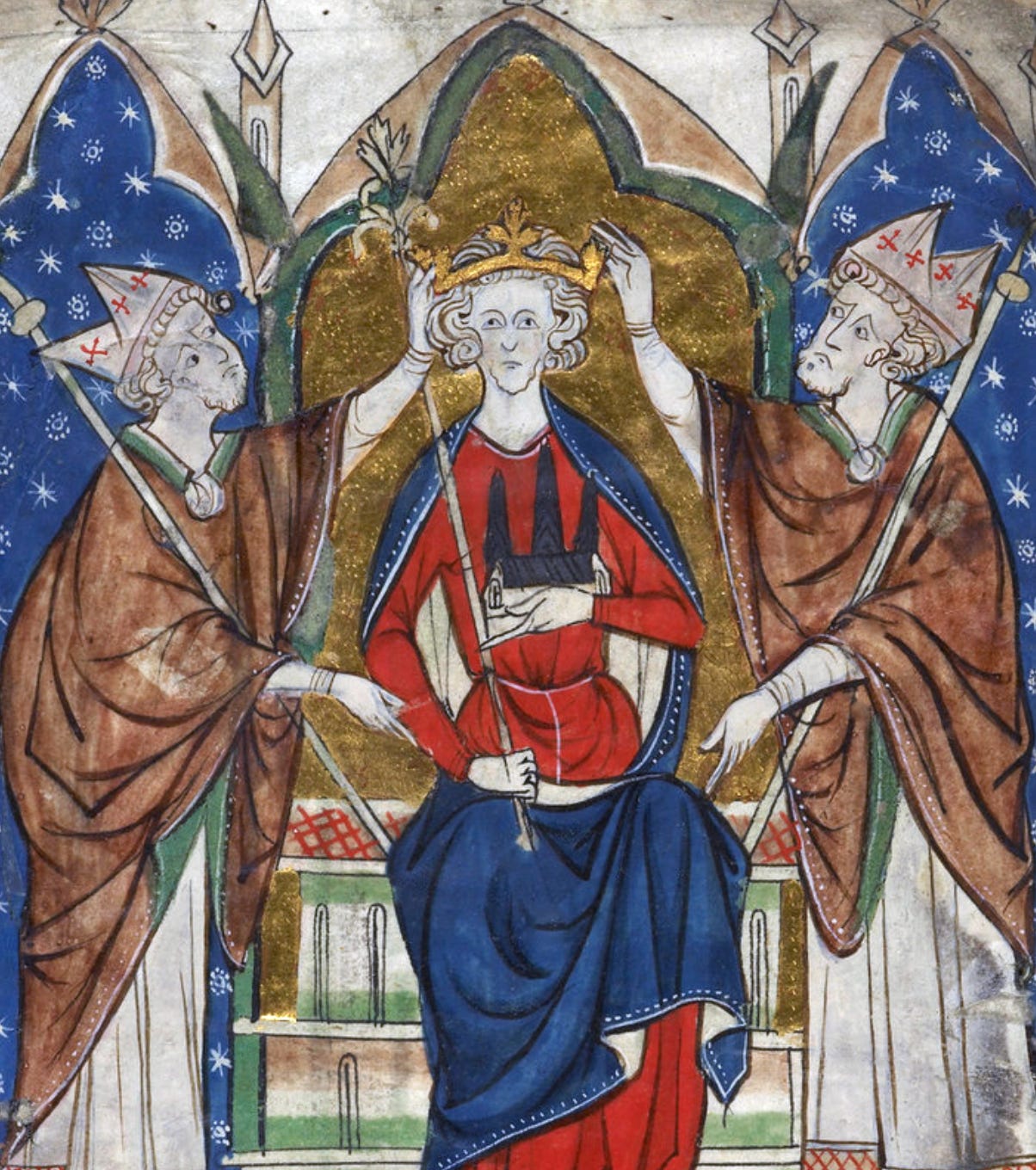
Henry III lands firmly in the middle of this list. His reign was the longest of any ruler in medieval English history, which in and of itself is pretty remarkable. In some ways, Henry III was a good king. In other ways, he left a bit to be desired.
Henry’s father, John, didn’t do him any favours, and when Henry came to the throne at just nine years old, he did so during the First Barons’ War. Henry’s reign would be plagued by uprisings from his disenchanted nobility, with the king himself being defeated and captured by one unruly baron, Simon de Montfort, in 1263. He would spend over a year in captivity before being rescued by his eldest son, Edward, who you’ll be reading more about in the next installment of premodern ruler rankings.
An extremely devout individual, Henry III did embark upon a rebuilding campaign for Westminster Abbey, establishing the popular practice of using the site as a resting place for royalty and giving us the iconic building we see today. Points to him for that.
While he may not have been the most popular ruler, most historians agree Henry was likely a nice enough guy, which earns him a middle spot on this list.
Henry II (1133-1189)
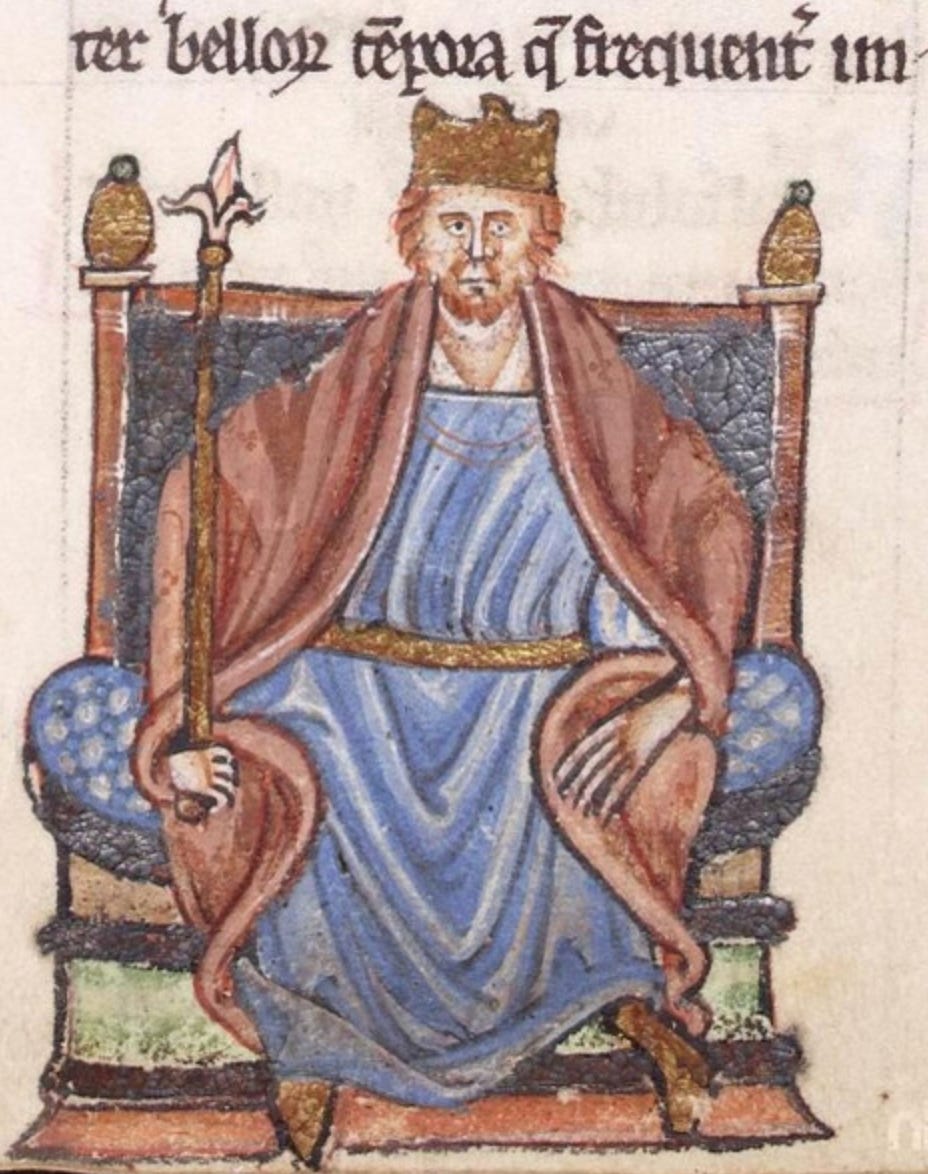
This Henry is the grandson of Henry I, who ranked #6 on this list. When Henry I died, England was plunged into civil war, with The Anarchy being fought between Henry I’s daughter, Empress Matilda, and his nephew, King Stephen, and their allies.
Henry II comes in as the solution to this bitter series of battles and political backstabbing. As the son of Empress Matilda, Henry was poised to take up her claim to the English throne. To avoid a further drawn-out war, Stephen named Henry FitzEmpress as his successor, with Henry II being crowned in December 1154.
Henry II had his work cut out for him. His reforms helped to centralize royal authority and laid much of the groundwork for English common law, allowing him to rule more effectively and enhancing the power of the monarchy.
He also found great luck in territorial expansion, extending his rule over much of modern-day France, Ireland, and Wales in what has come to be referred to as the Angevin Empire. He was even referred to by his contemporary, Gerald of Wales, as the “Alexander [the Great] of the West” because of this successful expansion of his realm.
With that being said, Henry was far from perfect. He was a shit bad husband to Eleanor of Aquitaine and certainly a less-than-ideal friend to Thomas Becket. He also wasn’t in the running to win a “Best Dad” award, and actually had his own sons rebel against him in the Great Revolt in 1173.
There was also that scandal with Alys (the daughter of the French king) who came to England at age eight as the future bride of Henry’s son, Richard, but ended up allegedly becoming pregnant with Henry II’s child instead.
Good enough ruler. Not a great guy.
Henry VII (1457-1509)
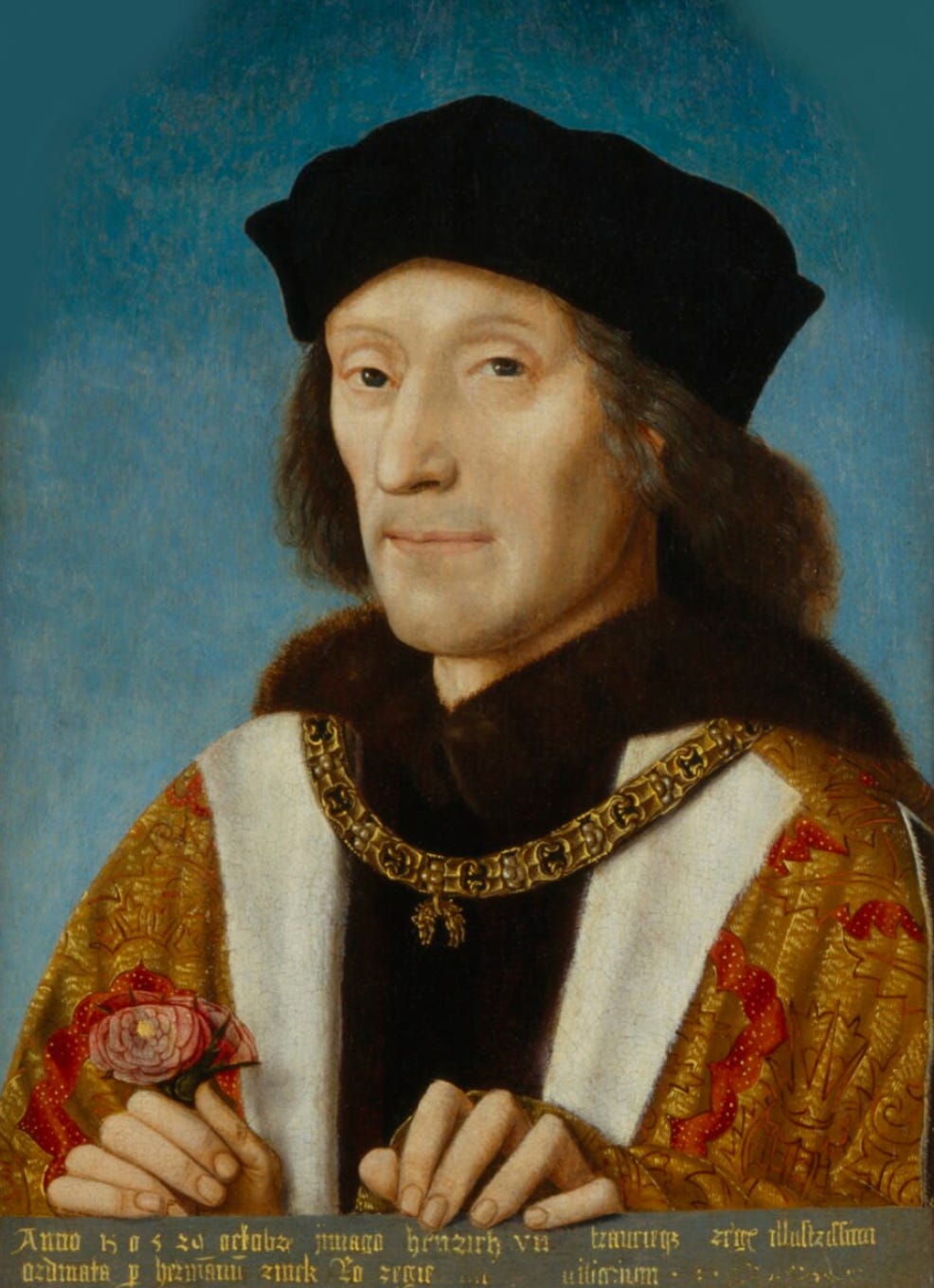
Coming in at #3 is the first ruler of the Tudor dynasty: Henry VII.
Sure he was never meant to sit on the throne, but once he won the crown, Henry VII did a pretty decent job of ruling. He had the odds stacked against him as he tried to unite a fractured realm, but he wasn’t scared to enact some pretty ruthless policies to get what he wanted. For example, Henry dated the start of his kingship to 21 August 1485 — the day BEFORE he defeated the sitting king, Richard III, at the Battle of Bosworth Field. This allowed Henry to declare his opponents guilty of treason and to confiscate their property.
Fair? Not so much. Effective? You bet.
Henry’s marriage to Elizabeth of York helped to unite the warring houses of York and Lancaster, bringing about an end to the Wars of the Roses. As king, Henry dodged pretenders’ claims to his throne and helped to secure his dynasty’s hold on the crown, leaving his son, Henry VIII, with a healthy support base and treasury (and leaving Henry VII himself with the [unfair, I think!] reputation of being a miser).
Not the best, but not the worst — Henry VII earns himself a decent spot on this list.
Henry IV (1367-1413)
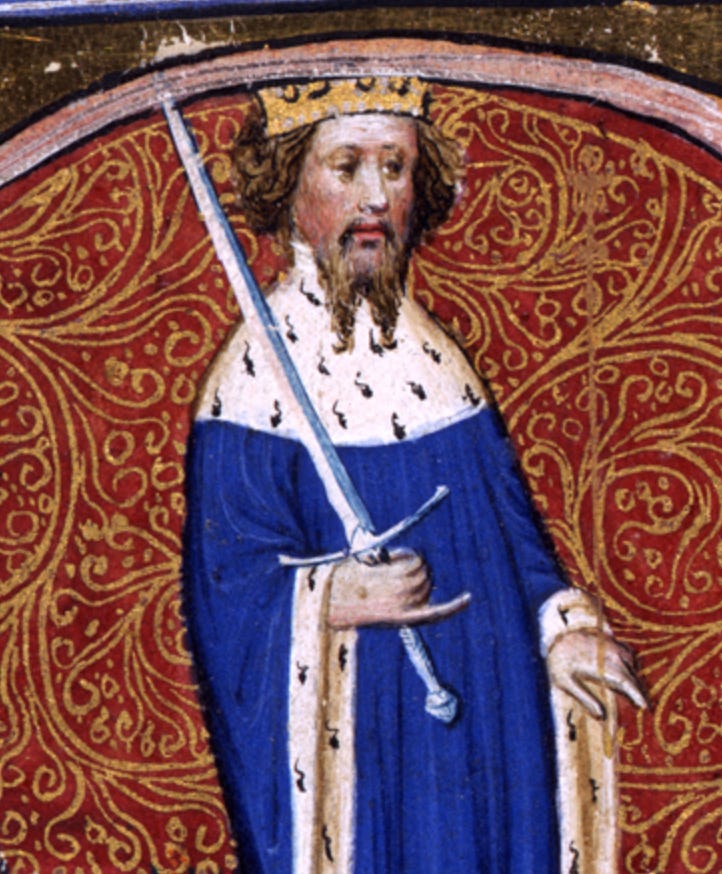
This might be an unpopular opinion, but I really, really like Henry IV.
I also really, really dislike Richard II.
In fact, I think Richard II may just have been the very worst ruler of premodern England. (Sure, John is up there, too — but that’s a ranking for another day.)
Henry IV was certainly a usurper, but he was a justified usurper. Which earns him the #2 spot on this list.
Richard II had no business being as mean/ruthless/vengeful as he was, and Henry IV decided to take matters into his own hands. England was better for it.
Sure, Henry IV spent most of his reign trying to solidify his hold on power (he was a usurper, after all) and manage what was likely a pretty devastating chronic illness, but his bravery and commitment to doing what he thought was best for the realm helped to set the stage for our #1 Henry (and perhaps premodern England’s #1 King of All Time), which earns Henry IV a #2 spot.
Henry V (1386-1422)
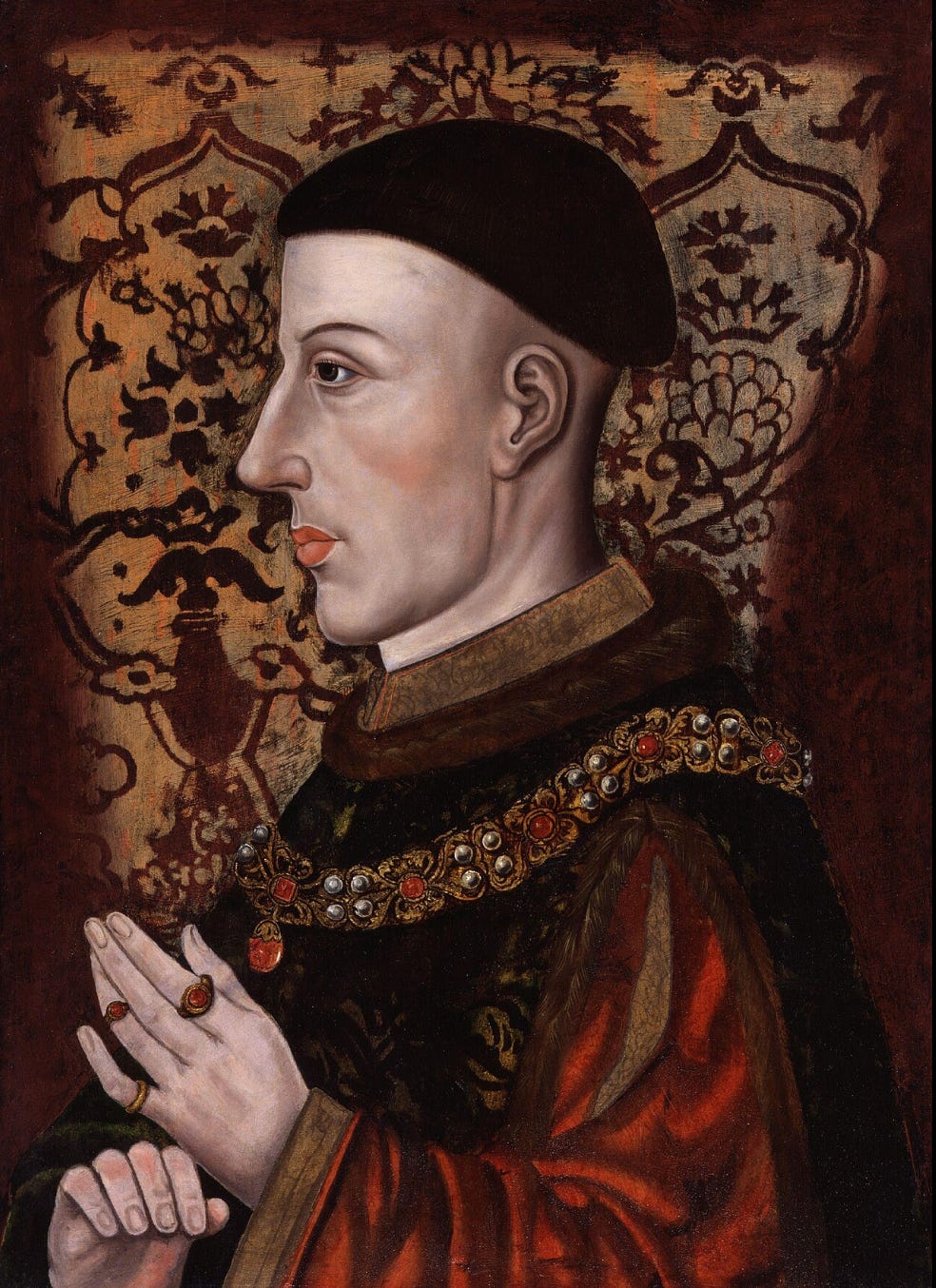
The top spot in this ranking likely comes as a surprise to no one who is interested in medieval history, or even just English history in general.
Henry V has become the stuff of legend, and (in my opinion, at least!) deservedly so.
Henry V took an arrow to the face and lived to tell the tale. He outsmarted conspiracies against his life and escaped unscathed from uprisings. He overcame all odds and found success at the Battle of Agincourt. And he somehow managed to do what no other English king had been able to achieve no matter how hard they tried: he set himself up to become the king of both England *and* France.
Unfortunately Henry’s dazzling political career came to a devastating end with his untimely death in 1422. He was just 35 years old and had ruled for less than a decade.
But even in his short time on the throne, Henry V achieved the unthinkable, earning him the top spot on my list of Historical Henrys.
I am of course always willing to hear others out on their own rankings, especially for the middle Henrys, but I must admit that I think I’m pretty set on my top 3 and bottom 2 Henrys at the very least. But numbers 4-6 are more flexible.
How would YOU rank historical Henrys?
And stay tuned for my next ranking of historical Edwards (coincidentally, a historical Edward challenges Henry V for my own personal ranking of “#1 King of All Time.” Those of you who have followed me for a bit will be unsurprised at which Edward this refers to!)
Please feel free to sound off in the comments!
Such a joy to see the proper use of punctuation within a separated parentheses; love the article too. (How lovely good grammar remains.)
Yay for Henry V! I agree that he is No. 1 among the Henrys (Henries?). I particularly like the fact that he was an accomplished musician, and did so much to aid the development of the Chapel Royal and English music in general.